
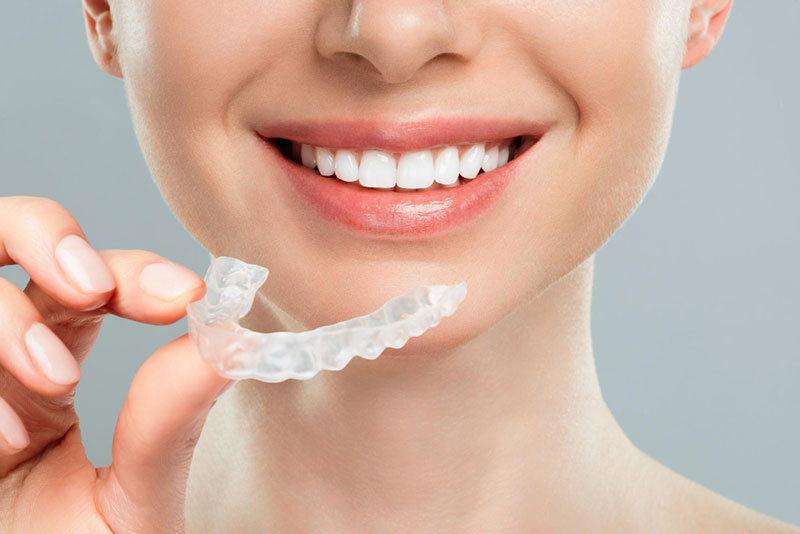
Thinking about getting your teeth straightened but not interested in metal braces? You might want to think about Invisalign as it uses clear, removable trays to gently shift teeth into better positions – no brackets and wires like traditional braces. However, you need to wear the aligners as advised every day and they may not work for all types of dental problems and can be more expensive than regular braces.
Knowing what to expect can help you have a more informed conversation with your dentist.
Below are 15 facts about Invisalign that you should be aware of before you decide.
Invisalign uses transparent plastic trays created to match the shape of your teeth. You wear a series of these trays to move your teeth little by little, following the plan prepared by your dentist or orthodontist.
One of the reasons people look at Invisalign is the appearance. Since the trays are transparent, they are not as noticeable as metal braces. This can make them a comfortable choice for teenagers and adults who prefer to straighten their teeth without drawing much attention to their treatment.
Unlike fixed braces, Invisalign trays can be taken out at mealtimes, so you can enjoy your usual foods without worrying about bits getting caught in brackets or wires. Follow the directions for putting the aligners back in place.
You can take your aligners out when brushing and flossing, making it easier to follow your usual dental care routine. Make sure you clean your teeth regularly throughout the treatment to keep your mouth healthy.
Invisalign can help with crowded teeth, gaps, overbites, underbites and crossbites. Whether aligners will work for you depends on how your teeth are positioned and the nature of the problem. Your dentist can assess this during an examination and explain your options.
Some teeth are very rotated or tilted and are harder to move with clear aligners and even the complex bite problems may require another approach. Your dentist can examine your teeth and advise whether clear aligners can address your dental problem or if you may need conventional braces instead.
Invisalign’s custom aligner could also cost you more compared to traditional braces. The amount you pay will vary depending on the condition of your teeth and the treatment plan. Ask your dentist for a cost breakdown before beginning so you know what to expect.
Do not expect the treatment to be completely sensation free. When you first put in a new set of trays, you may feel some soreness or tightness as the Invisalign applies pressure to shift your teeth. The amount of discomfort will vary from person to person.
Clear aligners aren’t automatically faster and the time it takes to straighten teeth depends on the condition being treated, the planned tooth movements and how consistently you wear your trays. Your dentist will be able to give an estimated period of treatment when your teeth have been examined.
Invisalign is a treatment system, it is not a substitute for a correct dental diagnosis and the key part of the process is to find a qualified expert who is familiar with aligner treatment.
Your dentist or orthodontist must examine your teeth, plan the movement and monitor the progress.
The Invisalign trays are not of a standard size, but are made as per your measurements and each set is made to fit your teeth at a certain stage of treatment. You proceed to the next set as instructed by your dentist.
Braces consist of brackets and wires that help guide the movement of teeth. Instead, Invisalign uses clear plastic trays. This means that you don’t need the usual wire tightening appointments associated with conventional braces but regular dental reviews are still necessary.
Most people wear the Invisalign trays for about 20 to 22 hours a day and you take them out for meals, you brush and floss, then put them back in. Wearing them for less hours than prescribed can prevent your teeth from moving and delay your progress.
You don’t swap out your aligners at your wish. The timing for changing aligners varies according to your treatment plan and how your teeth move. Your dentist will let you know when to start using the next set, as the recommended interval may differ from one person to another. Follow the schedule your dentist has set.
Once your teeth have moved into the position where you want them to be, you may have to wear a retainer to help keep them there. Teeth can shift over time after treatment, so your dentist will advise you on how long you should use it.
Before deciding between Invisalign, other clear aligners or traditional braces, first you should understand what your teeth need. Rajeshwari Dental Clinic offers different teeth-straightening options, including conventional braces, invisible braces and clear aligners, along with other dental treatments.
The clinic is all about personal care and assists its patients in understanding their options before they make a decision.
During a consultation, you can discuss your concerns regarding the alignment of your teeth, learn about suitable treatment options and know the expected cost and timeframe. Your dentist will look at your teeth and tell you whether clear aligners are right for you or whether another method of straightening your teeth would be better.
The right advice is essential for a straighter smile.
Category : Invisalign
Tags: clear aligners , conventional braces , dental treatments , Invisalign , invisible braces
